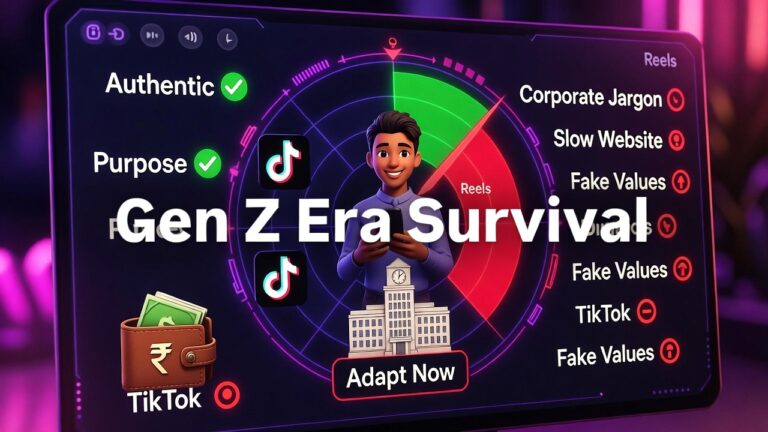
Let’s get one thing straight: Gen Z isn’t coming. They’re already here.
Born between 1997 and 2012, this generation now represents a massive chunk of both consumer spending and the workforce. They’re not “the kids” anymore—the oldest Gen Zers are approaching 30, with careers, purchasing power, and strong opinions about which brands deserve their money.
And here’s what should keep business leaders up at night: Gen Z can smell inauthenticity from a mile away, and they’ll ghost your brand without a second thought.
The rules that worked for Millennials, Gen X, and Boomers don’t apply here. If you’re still marketing the same way you did five years ago, you’re already falling behind.
So let’s talk about what makes Gen Z different—and whether your business is ready to meet them where they are.
What Makes Gen Z Fundamentally Different ?
Gen Z didn’t adopt technology. They were born into it. The first iPhone launched when the oldest Gen Zers were 10. They’ve never known a world without social media, smartphones, or instant access to information.
This isn’t just a lifestyle difference—it’s reshaped how they think, evaluate, and decide what to buy.
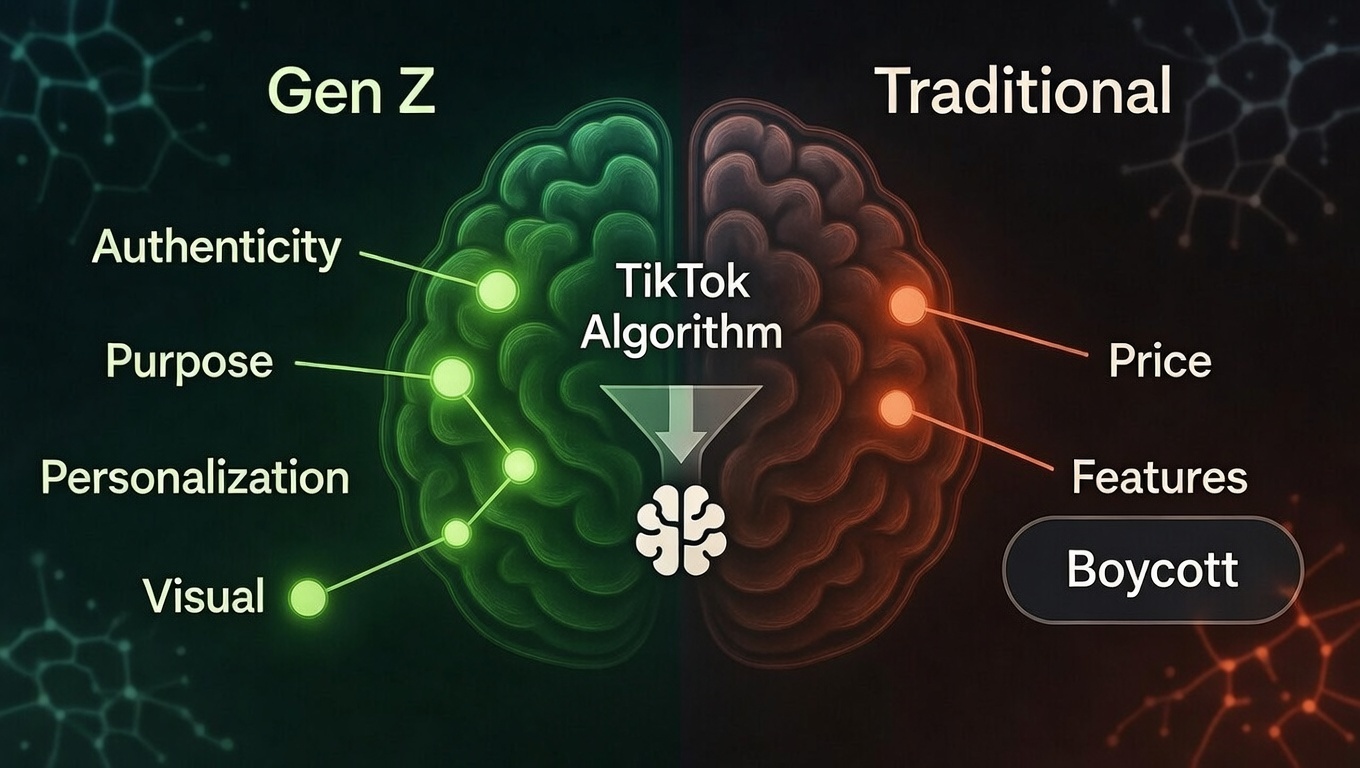
They Demand Authenticity (And They'll Call Out Fakes)
Gen Z grew up watching brands get exposed in real-time. They’ve seen corporations caught greenwashing, influencers busted for undisclosed sponsorships, and CEOs’ old tweets resurface at the worst moments.
The result? They’ve developed highly calibrated BS detectors.
Generic corporate messaging doesn’t just fall flat—it actively damages trust. They want to see the humans behind the brand. They want honesty about challenges, not just highlight reels. They value brands that admit mistakes over those that pretend to be perfect.
Purpose Isn't Optional
Here’s something that genuinely distinguishes Gen Z: they vote with their wallets for values.
This isn’t a performative concern. Studies consistently show Gen Z will:
- Pay more for sustainable products
- Boycott brands that contradict their values
- Choose employers based on social and environmental commitments
- Research a company’s ethics before making purchases
If your brand doesn’t stand for something beyond profit, you’re invisible to a significant portion of this generation. And “standing for something” means demonstrable action—not just a mission statement on your website.
Personalization is the Baseline
Gen Z has grown up with algorithms that know their preferences better than their friends do. Netflix recommends exactly what they want to watch. TikTok serves content that feels eerily targeted.
Generic marketing isn’t just ineffective—it’s jarring.
They expect brands to know them. Personalized recommendations, tailored content, and communication that speaks to their specific situation aren’t impressive features—they’re the minimum requirement.
Visual-First, Short-Form Communication
If your marketing strategy is built around long-form written content and static images, you’re speaking a language Gen Z doesn’t use natively.
Their platforms are TikTok, Instagram Reels, and YouTube Shorts. Information needs to be:
- Visually engaging
- Immediately compelling (you have about 2 seconds to hook them)
- Digestible in small chunks
- Authentic over polished
The most successful Gen Z marketing often looks less professional, not more. Raw, real, and relatable beats slick and corporate.
Financially Pragmatic (But Not Cheap)
Gen Z entered adulthood watching economic uncertainty, a pandemic, and inflation reshape the financial landscape. They’re practical about money in ways previous generations at the same age weren’t.
They want:
- Transparent pricing (no hidden fees or surprise charges)
- Clear value for money
- Practical solutions over status symbols
- Honesty about what they’re getting
But here’s the key: being practical doesn’t mean being cheap. They’ll pay premium prices for brands that align with their values. They just won’t pay for fluff.
The Survival Checklist: Is Your Business Ready?
Let’s get practical. Run through this checklist and be honest with yourself:
Are You on the Right Platforms?
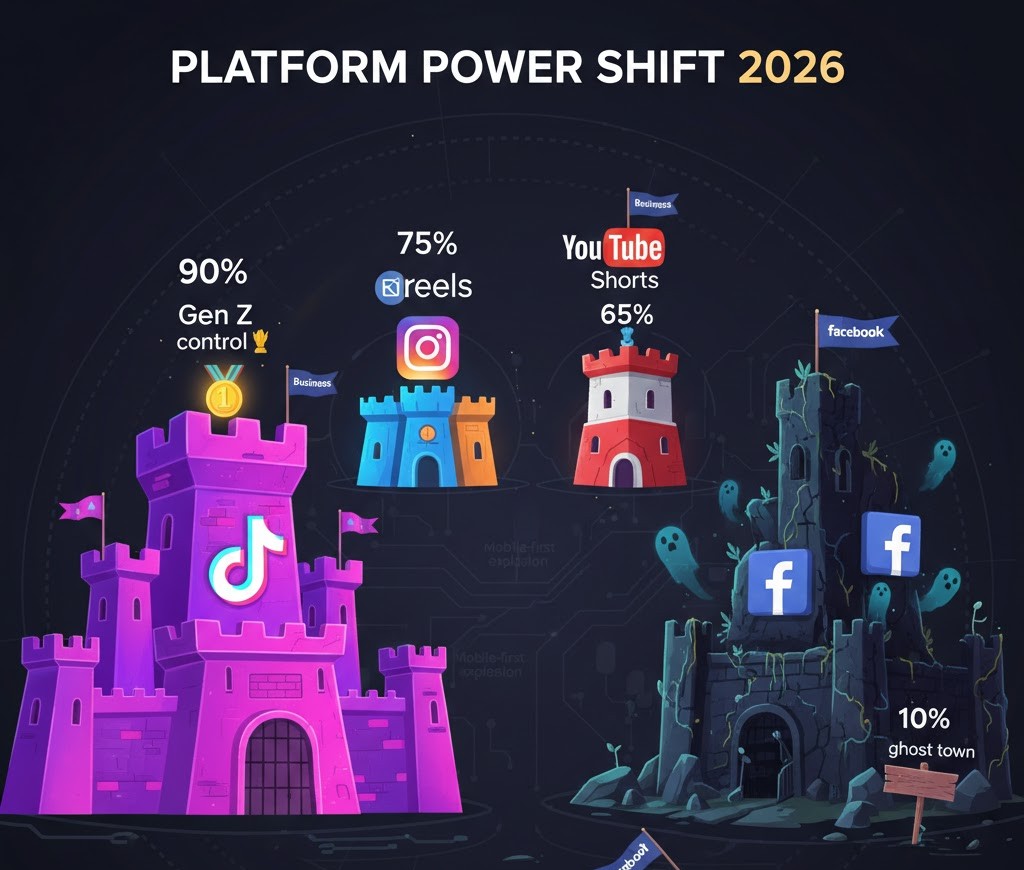
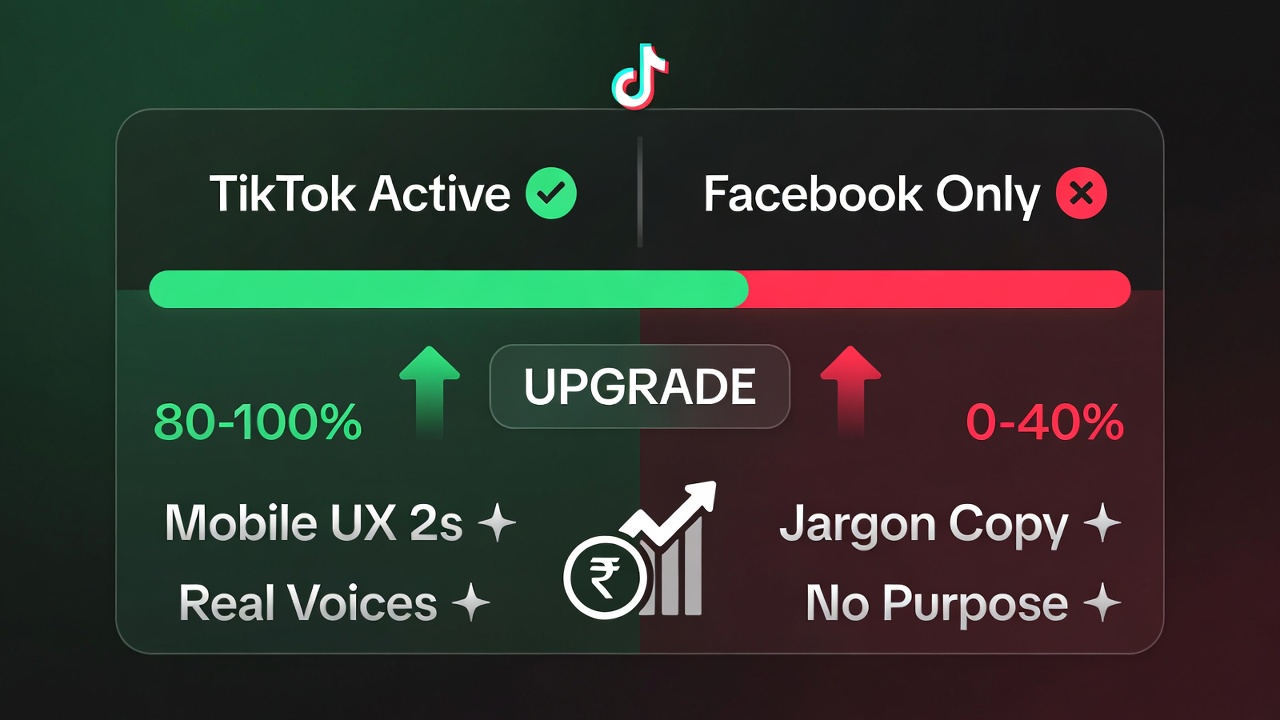
The hard truth: If your social strategy is “Facebook and maybe Instagram,” you’re missing Gen Z almost entirely.
- TikTok isn’t optional—it’s where Gen Z discovers brands, products, and ideas
- Instagram Reels and YouTube Shorts are essential for reach
- Discord is where communities form around shared interests
- BeReal and newer platforms show where attention is heading
This doesn’t mean abandoning other platforms. It means diversify beyond where you’re comfortable.
Does Your Brand Have a Purpose Beyond Profit?
Not a tagline. Not a corporate social responsibility page no one reads. A genuine, demonstrable commitment to something that matters.
Ask yourself:
- What does your company actually do to make the world better?
- Can you prove it with actions, not just words?
- Would your practices hold up if a Gen Z employee posted about them on TikTok?
Is Your Digital Experience Actually Good?
Gen Z has zero patience for clunky websites, slow loading times, or confusing navigation. They’ve been using intuitive apps their entire lives.
Your digital presence needs to be:
- Mobile-first (they’re probably not on desktop)
- Fast (three seconds feels slow)
- Intuitive (if they have to think about how to use it, they’ll leave)
- Seamless across channels
Are You Personalizing the Experience?
Generic blasts don’t work. You need:
- Relevant product recommendations based on behavior
- Tailored content that speaks to different segments
- Communication that acknowledges their specific context
- Offers that feel personal, not mass-produced
Is Your Communication Actually Authentic?
Test this: read your recent marketing content and ask, “Would a real human say this?”
If it sounds like it was written by a committee (or worse, like corporate jargon translated through AI), it won’t land. Gen Z responds to:
- Real voices with personality
- Honesty about limitations
- Humor that doesn’t try too hard
- Genuine engagement, not scripted responses
Are You Actually Listening?
This is where most brands fail. They broadcast to Gen Z but don’t listen.
- Are you soliciting feedback through channels they actually use?
- Do you involve young employees in marketing decisions?
- Do you respond genuinely to criticism or just delete negative comments?
- Are you willing to change based on what you hear?
Does Your Team Reflect the Diversity Gen Z Expects?
Gen Z is the most diverse generation in history, and they expect the brands they support to reflect that. This means:
- Diverse representation in leadership, not just entry-level
- Inclusive marketing that doesn’t tokenize
- Accessibility as a standard, not an afterthought
- Policies that back up diversity claims
The Opportunity Hidden in the Challenge
Here’s the reframe: Gen Z isn’t a threat to your business. They’re an opportunity to become better.
Every demand they make—authenticity, purpose, personalization, seamless experience—is actually just a demand for business excellence. Meeting Gen Z expectations doesn’t just win that generation. It makes you better for everyone.
The companies that adapt will:
- Build deeper customer relationships
- Create more meaningful brands
- Attract top young talent
- Stay relevant as Gen Z’s purchasing power grows
The companies that dismiss Gen Z as “just kids” or assume they’ll “grow out of it” will watch their market share erode year by year.
Where to Start ?
If this checklist revealed gaps (it probably did), don’t panic. You don’t need to transform overnight. Start with:
- Audit your social presence: Where are you? Where should you be?
- Talk to Gen Z: Hire them, survey them, listen to them—actually hear what they say
- Identify one authentic initiative: What does your brand genuinely care about?
- Fix the basics: Mobile experience, loading speed, navigation
- Train your team: Make sure everyone understands these aren’t trends—they’re shifts
The Gen Z era isn’t something to survive. It’s something to embrace. The brands that do will be the ones that thrive.
Frequently Asked Questions
Why is Gen Z important for businesses to understand? Gen Z represents significant and growing purchasing power, with influence extending far beyond their direct spending. They shape cultural trends, drive social media virality, and are entering the workforce in leadership-track roles. Businesses that fail to connect with Gen Z risk becoming irrelevant as this generation’s economic influence grows.
What do Gen Z consumers value most in brands? Gen Z prioritizes authenticity, purpose, and transparency above traditional brand attributes like prestige or heritage. They want brands that stand for something meaningful, communicate honestly, and demonstrate their values through action—not just marketing. They’re also highly sensitive to how brands treat employees and communities.
How is Gen Z marketing different from Millennial marketing? While Millennials responded to aspirational content and social proof, Gen Z prefers raw authenticity over polished perfection. They’re more skeptical of traditional advertising, more reliant on short-form video platforms like TikTok, and more likely to research a brand’s ethics before purchasing. They also expect deeper personalization.
What social media platforms do Gen Z use most? TikTok dominates Gen Z attention, followed by Instagram (especially Reels), YouTube (especially Shorts), and Snapchat. Discord is increasingly important for community building. Facebook has minimal Gen Z engagement, and traditional advertising channels reach only a fraction of this generation.
How can businesses become more authentic to appeal to Gen Z? Authenticity comes from transparency, consistency, and genuine human connection. Share behind-the-scenes content, admit mistakes when they happen, use real voices instead of corporate speak, and engage genuinely with feedback. Most importantly, ensure your actions match your stated values—Gen Z will notice if they don’t.
Is it too late for established businesses to adapt to Gen Z? No, but the window is closing. Established brands have advantages—resources, reach, and existing trust—that can be redirected toward Gen Z-friendly strategies. The key is starting now, being willing to experiment, and bringing Gen Z voices into decision-making rather than just marketing to them.
Need help reaching the next generation of customers? AI Marketing Technology builds AI-powered marketing strategies that connect authentically with today’s audiences—including the platforms and formats Gen Z actually uses.
