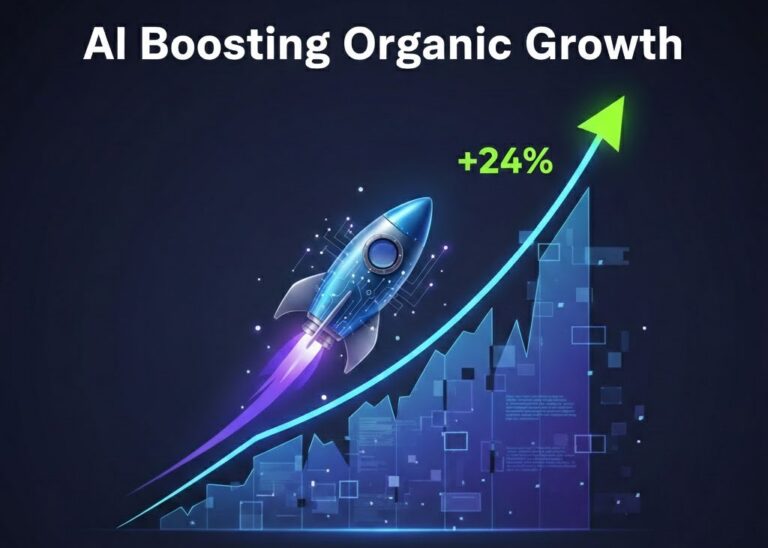
Let’s address the elephant in the room: organic reach is getting harder.
Algorithms are more competitive. Attention is more fragmented. The easy wins of five years ago—post content, watch it spread—are largely gone.
But here’s what most marketers miss: while organic reach is harder, it’s also more valuable than ever. And AI has become the great equalizer.
Today, a small business with smart AI tools can achieve reach that previously required entire marketing teams. The question isn’t whether AI can help you grow organically—it’s whether you’re willing to learn how.
What Organic Reach Actually Means in 2026
Let’s define terms before diving in.
Organic reach is the number of people who discover your content naturally—through search engines, social media feeds, recommendations, and sharing—without paid promotion.
Why Organic Reach Still Matters ?
Organic Traffic | Paid Traffic |
Builds long-term compounding value | Stops when budget stops |
Higher trust and credibility | Often perceived as advertising |
Better quality engagement | Quantity over quality common |
Reduces dependency on ad platforms | Vulnerable to cost increases |
Attracts genuinely interested audiences | Can attract curiosity clickers |
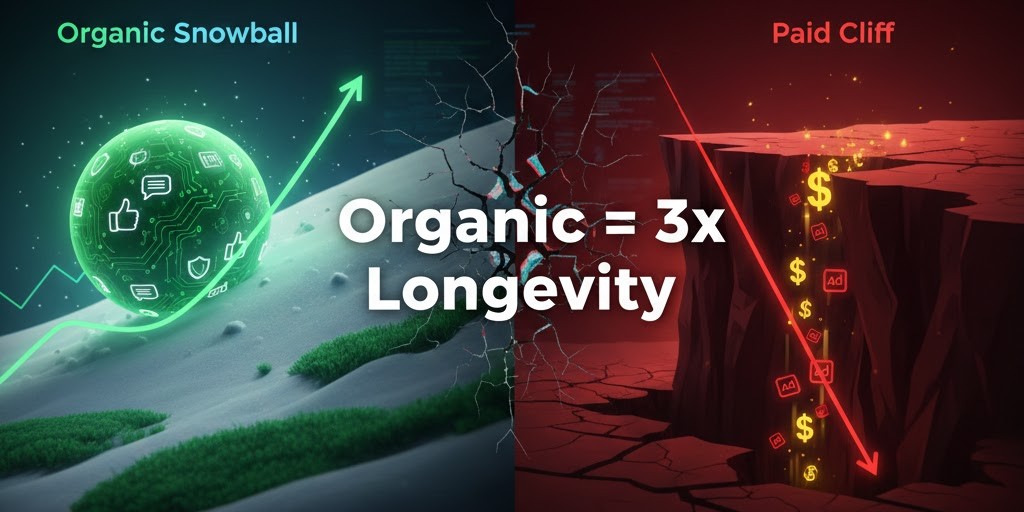
The reality: Paid advertising has its place, but businesses that rely entirely on paid channels are vulnerable. Algorithm changes, increasing costs, or budget constraints can devastate them overnight.
Organic reach is insurance.
How AI Changes the Organic Growth Game
AI isn’t replacing human creativity—it’s amplifying it. Here’s how:
What AI Does Well ?
- Analyzes massive datasets to find patterns humans would miss
- Predicts trends before they peak
- Optimizes content for search engines and algorithms
- Identifies opportunities in your specific niche
Scales production without proportional effort increase.
What AI Doesn't Do Well ?
- Create genuinely original ideas
- Understand nuanced brand voice (without training)
- Build authentic human relationships
- Replace strategic thinking
- Guarantee results
The winning combination: AI handles the data-heavy optimization work. You handle the strategy, creativity, and human connection.
AI-Powered Topic and Keyword Research
The foundation of organic growth is creating content people actually want to find.
Finding What Your Audience Searches For
Old approach: Guess what topics might work, create content, hope for the best.
AI approach: Analyze search data, competitor content, and audience behavior to identify proven opportunities before you create anything.
What AI keyword research reveals:
Insight | Value |
Long-tail keywords | Less competition, higher intent |
Question-based searches | Direct content opportunities |
Search volume trends | Timing your content right |
Competitor gaps | Topics they’re missing |
Semantic relationships | Related topics to cover |
Moving From Keywords to Intent
Here’s where AI gets sophisticated: it’s not just about what words people type—it’s about what they’re trying to accomplish.
Example:
- Search: “best CRM for small business”
- Surface intent: Find a CRM recommendation
- Deeper intent: Solve a business organization problem, probably feeling overwhelmed
AI helps you understand and address the deeper intent, creating content that truly resonates.
Creating Content That Algorithms Love
AI for On-Page SEO
Creating content is just the beginning. Optimizing it for visibility is where AI shines.
What AI optimization covers:
- Structure analysis — Are your headers logical and comprehensive?
- Keyword placement — Natural integration without stuffing
- Content depth — Are you covering the topic thoroughly?
- Readability — Is your content accessible to your audience?
- Technical elements — Meta descriptions, alt text, schema markup
Writing for Search Intent
AI tools can evaluate whether your content actually answers what searchers are asking.
The intent matching process:
- Identify the primary question behind a search
- Ensure your content answers it directly (often in the first paragraph)
- Cover related questions throughout
- Structure content so AI systems can easily extract answers
This isn’t just SEO—it’s GEO (Generative Engine Optimization), positioning your content for AI-powered search assistants.
Social Media Growth Without Ads
Social platforms have made organic reach harder—but AI helps you work smarter.
AI-Driven Content Scheduling
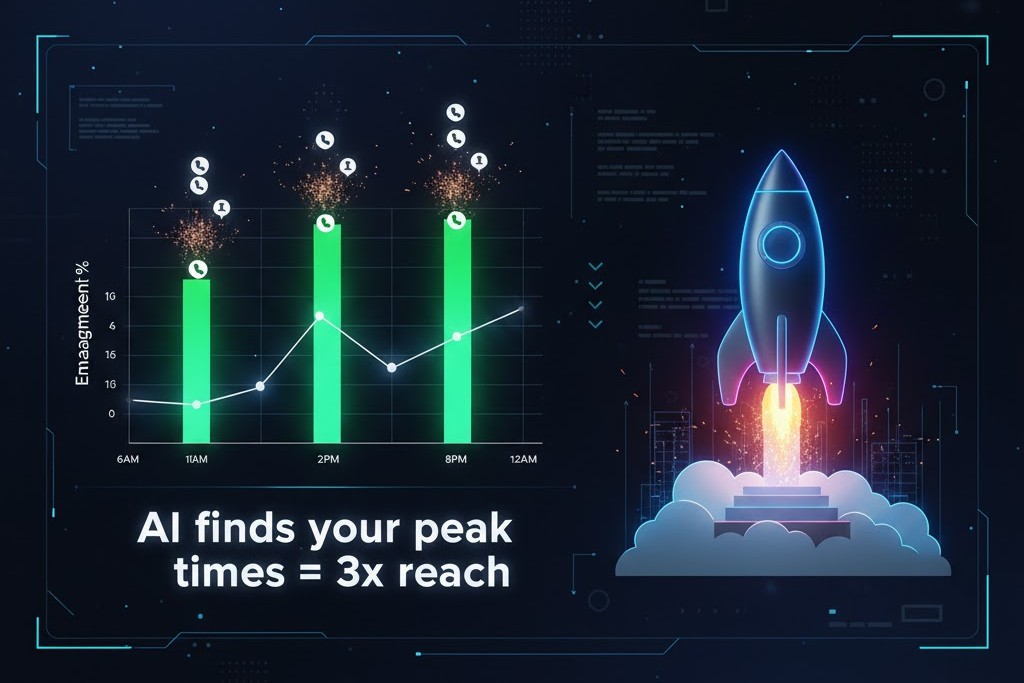
Different audiences are active at different times. AI analyzes your specific engagement patterns to identify:
- Optimal posting times for your audience
- Ideal posting frequency before fatigue sets in
- Content format preferences (video vs. image vs. text)
- Hashtag effectiveness for your niche
Result: Same content, significantly more reach.
Creating Visual Content That Performs
Visual content dominates social media, and AI has made quality visuals accessible to everyone.
AI tools for visual content:
Need | AI Solution |
Image enhancement | Upscaling, background removal, color correction |
Caption optimization | Engaging text that drives interaction |
Hashtag research | Relevant tags with actual reach potential |
Video editing | Trimming, captions, format adaptation |
Thumbnail creation | Click-worthy previews |
The Short-Form Video Advantage
Reels, Shorts, TikToks—short-form video gets dramatically more organic reach than other formats. AI helps you:
- Identify trending audio and formats
- Optimize video length for retention
- Generate captions (essential for sound-off viewing)
- Repurpose long content into short clips
Understanding and Engaging Your Audience
AI for Audience Analysis
Generic content gets generic results. Personalized content creates connection.
What AI audience analysis reveals:
- Demographics and psychographics of your engaged followers
- Content topics that generate highest engagement
- Questions your audience is asking
- Sentiment around your brand and competitors
- Patterns in how different segments interact
Personalization at Scale
One-to-one personalization used to require massive teams. AI enables it for any size business:
- Email personalization — Dynamic content based on behavior
- Website personalization — Different experiences for different visitors
- Content recommendations — Suggesting relevant content to readers
- Timing personalization — Reaching people when they’re most receptive
Content Distribution and Repurposing
Creating content is expensive (in time if not money). AI helps you maximize the value of everything you create.
The Repurposing Multiplier
One piece of content can become many:
Original | Repurposed Versions |
Blog post | Social posts, email newsletter, infographic |
Webinar | Video clips, blog summary, quote graphics |
Podcast | Transcription, short clips, audiograms |
Case study | Social proof posts, email sequence, sales collateral |
AI role: Automate the transformation while maintaining quality and voice consistency.
Multi-Platform Optimization
Each platform has different requirements. AI adapts content for:
- Platform-specific formatting
- Ideal content length
- Native features utilization
- Audience expectations
The Ethics of AI-Assisted Content
Using AI for organic growth is powerful—but it requires responsibility.
Keeping Content Human and Authentic
AI should enhance your voice, not replace it.
Best practices:
- Use AI for research, optimization, and efficiency
- Add human insights, experiences, and opinions
- Review and edit AI-generated content thoroughly
- Maintain your unique brand voice
- Prioritize value for your audience over volume
Quality Over Quantity
AI makes mass production easy. Don’t confuse capability with strategy.
The quality principle: One genuinely valuable piece of content outperforms ten mediocre ones—for both your audience and the algorithms.
Common AI mistakes to avoid:
- Publishing AI content without human review
- Flooding channels with low-value content
- Losing brand voice for optimization
- Ignoring platform guidelines
- Sacrificing accuracy for speed
Measuring Organic Growth Success
AI helps you understand what’s working—and what isn’t.
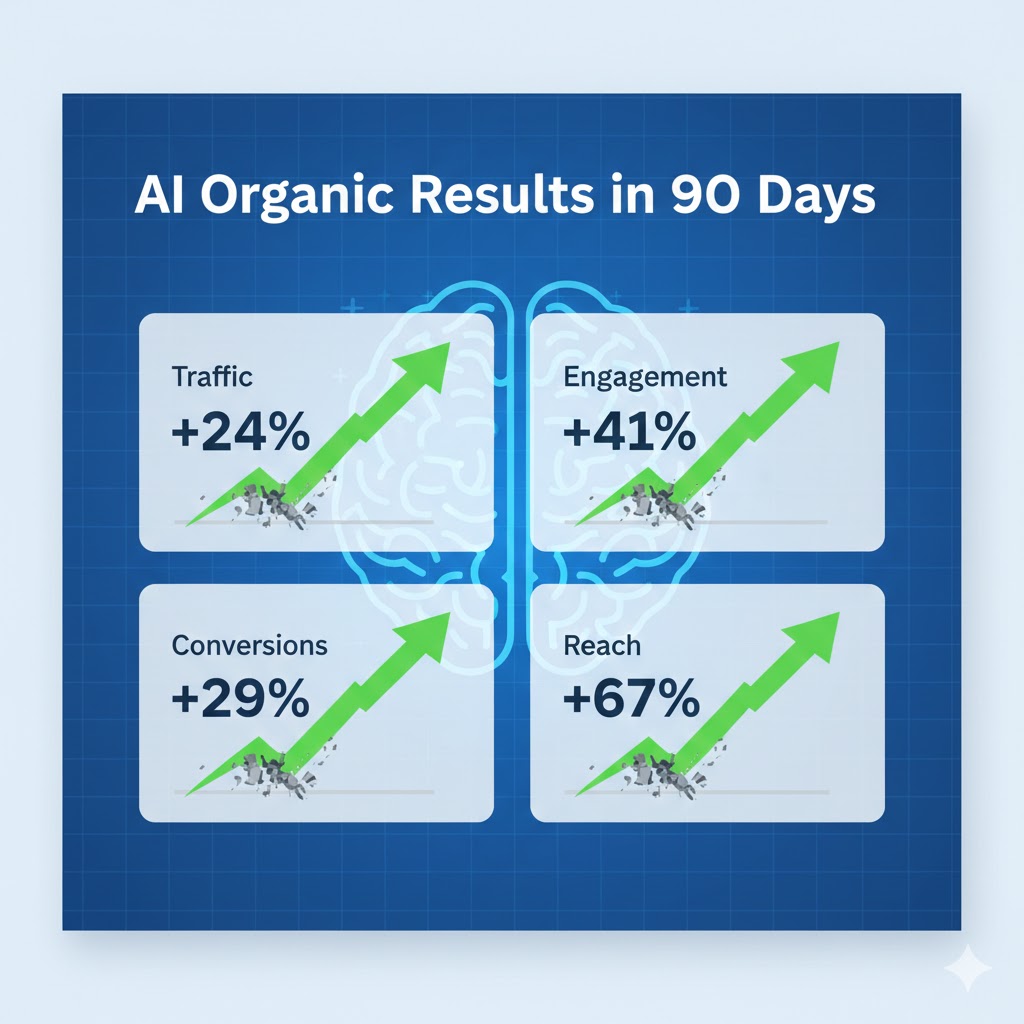
Key Metrics to Track
Metric | What It Tells You |
Organic traffic | How many people find you through search |
Engagement rate | How compelling your content is |
Click-through rate | How effective your titles and descriptions are |
Time on page | How well content matches search intent |
Conversion rate | Whether traffic translates to business results |
Continuous Improvement
Organic growth isn’t “set and forget.” AI enables continuous optimization:
- Identify underperforming content for improvement
- Spot emerging opportunities early
- Test variations at scale
- Adapt to algorithm changes quickly
The Bottom Line
Organic reach is harder than it used to be—but not impossible.
AI has democratized the tools and techniques that previously required large teams and big budgets. Today, any business willing to learn can achieve significant organic growth.
The key isn’t choosing between human creativity and AI efficiency. It’s combining them—using AI to handle what machines do best while preserving the authentic human connection that audiences crave.
Your competitors are figuring this out. The question is whether you’ll join them—or let them capture your potential audience.
Frequently Asked Questions
Can AI really help increase organic reach? Yes. AI improves content strategy, SEO optimization, audience understanding, and distribution—all key drivers of organic growth. The businesses seeing the best organic results in 2026 are using AI tools strategically.
Is AI-generated content good for SEO? AI-generated content can perform well if it’s high-quality, original, and aligned with search intent. The key is human review and refinement. Low-quality AI content (or content that’s obviously AI-generated) often underperforms.
Do I need technical skills to use AI for marketing? No. Most modern AI marketing tools are designed for non-technical users. If you can use standard business software, you can use AI marketing tools.
Can AI replace human creativity in content marketing? No. AI supports creativity by providing insights and efficiency, but human creativity, judgment, and authentic voice remain essential. The best results come from human-AI collaboration.
What’s the biggest mistake when using AI for organic growth? Over-relying on automation without human input. Mass-producing low-quality content, losing brand voice, and ignoring audience needs in favor of “optimized” content all hurt more than they help.
How long does it take to see results from organic AI strategies? Organic growth takes time—typically 3-6 months to see significant results. AI accelerates the process by improving efficiency and decision-making, but it doesn’t eliminate the time required to build authority and trust.
Ready to harness AI for organic growth? AI Marketing Technology provides AI-powered marketing solutions that help you grow visibility without depending on ad budgets.
