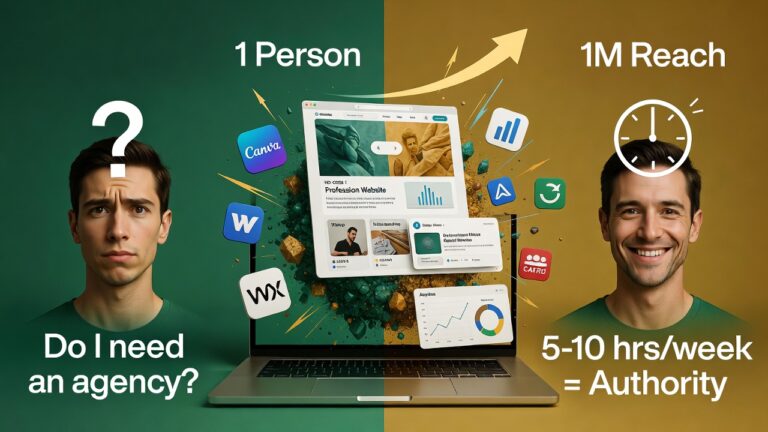
Look at any successful brand online—the sleek websites, the viral social posts, the perfectly curated Instagram feeds—and a daunting question creeps in: Do I need a whole team to get noticed, or can I actually do this myself?
The short answer? Absolutely, you can.
In fact, most of the biggest digital brands today started with one person and a laptop. The tools that once required a developer, designer, and marketing team now fit in your pocket.
But—and this is important—possible doesn’t mean easy. Let’s have an honest conversation about what building your own online presence actually takes.
Why DIY Is More Possible Than Ever
Building an online presence used to require knowing how to code or having a massive advertising budget. In 2026, the barrier to entry has essentially collapsed thanks to three factors:
No-Code Tools
Platforms like Carrd, Wix, Squarespace, and Shopify let you build beautiful, functional websites without touching a single line of CSS. The templates are genuinely professional. The drag-and-drop editors actually work.
Content Creation Apps
Tools like Canva give you professional-grade design capabilities right in your browser. CapCut and other video editors make polished content creation possible on your phone. What used to require a graphic designer now takes 20 minutes and a free account.
Direct Access to Audiences
Social media algorithms in 2026 increasingly prioritize authenticity over production value. People want to connect with you, not a polished corporate mask. This actually advantages individuals over big brands with their committee-approved messaging.
The playing field has never been more level.
The Three Pillars of a Solo Online Presence
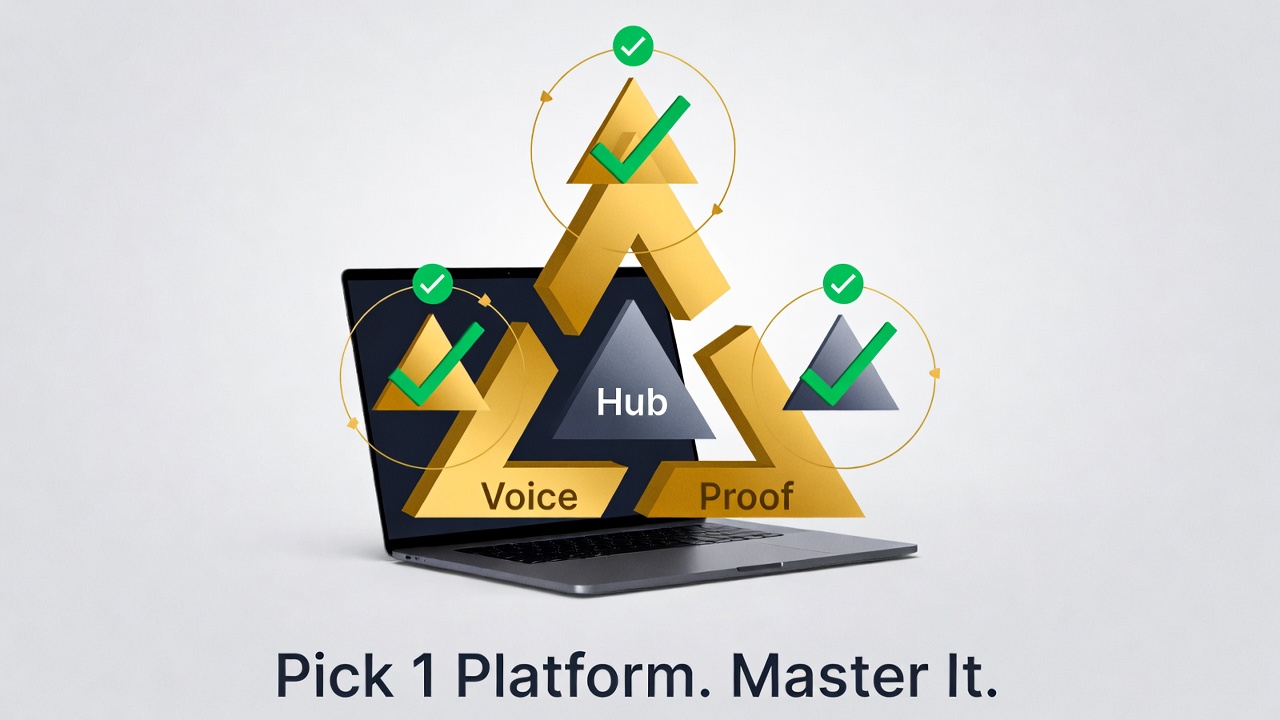
If you’re going to build this yourself, you need strategy—not chaos. Don’t try to be everywhere at once. Focus on these three elements:
Pillar 1: The Hub (Your Home Base)
This is your website or portfolio—the place you control completely.
DIY Strategy:
- Use a simple template (don’t over-customize)
- Focus on a clear “About” page that tells your story
- Make your “Contact” information impossible to miss
- Ensure it loads fast on mobile
Your hub doesn’t need to be elaborate. It needs to be clear.
Pillar 2: The Voice (Your Social Presence)
This is where you actually talk to people—LinkedIn, Instagram, X, TikTok, wherever your audience hangs out.
DIY Strategy:
- Pick one platform where your ideal audience already spends time
- Post consistently (three times a week beats daily burnout)
- Engage with others more than you broadcast about yourself
- Be a person, not a press release
Pillar 3: The Proof (Your Value Demonstration)
This is content that shows you know what you’re talking about—blog posts, case studies, how-to guides, videos.
DIY Strategy:
- Share what you know (solving a problem for someone else builds instant authority)
- Document your work and results
- Answer questions your customers actually ask
- Build a library of helpful content over time
The Real Challenges of Going Solo
Here’s where we get honest. While building your presence yourself is possible, it isn’t always easy. Being a team of one means wearing every hat, and you’ll likely run into:
The Time Trap
Creating content, engaging with followers, updating your website, responding to inquiries, analyzing what’s working… It takes hours. Every week.
If you’re also running a business, serving clients, and managing operations, those hours come from somewhere. Usually from sleep. Or family time. Or the actual work that pays your bills.
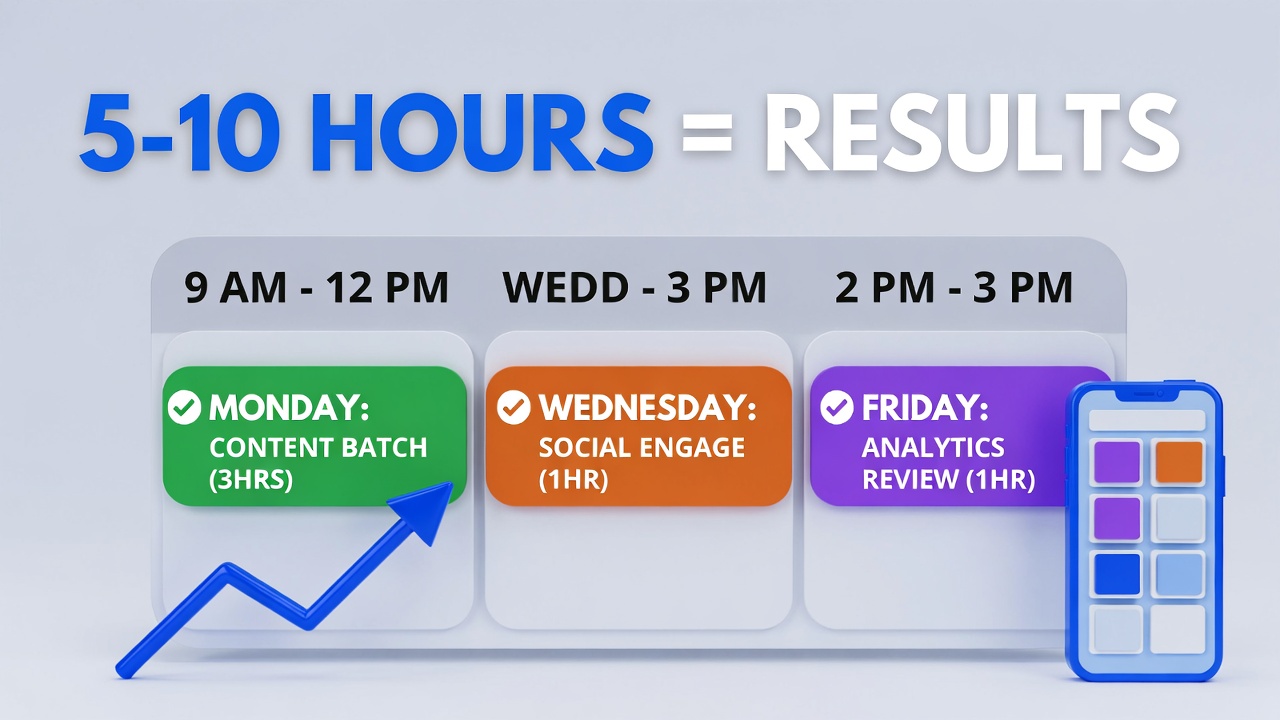
Reality check: A basic online presence requires 5-10 hours per week to maintain properly.
Analysis Paralysis
There are so many tools. So many platforms. So many “best practices” that contradict each other.
Should you be on LinkedIn or Instagram? Video or written content? Blog posts or podcasts? Paid ads or organic growth?
You can spend weeks researching the “right” approach and never actually do anything.
The Skill Gap
You might be a fantastic accountant, lawyer, or contractor—but that doesn’t make you a writer, designer, or video editor.
Some skills transfer. Some don’t. And the learning curve for skills you don’t have is real.
The Honest Framework: Match Effort to Stage
Here’s what nobody tells you: DIY makes more sense at some stages than others.
Early Stage: DIY Is Actually Better
If you’re just starting out or testing a new business idea, building your own presence has advantages beyond cost savings:
- You learn what resonates — Direct feedback on what content works
- You understand your audience — No middleman filtering the insights
- You develop your brand’s voice — Authenticity is easier when it’s actually you
- You can pivot quickly — No agency approval processes
This knowledge becomes invaluable later, even if you eventually hire help.
Growth Stage: Selective Outsourcing
Once your business has traction, your time becomes more valuable elsewhere. This is when strategic outsourcing makes sense:
- Keep control of voice and strategy (that’s your brand)
- Outsource production tasks (graphic design, video editing)
- Hire specialists for technical work (SEO, paid advertising)
- Automate what’s repetitive (scheduling, basic analytics)
Scale Stage: Professional Partnership
When you’re ready to scale, working with professionals isn’t an expense—it’s an investment with measurable returns. The foundation you built yourself ensures you can evaluate partners intelligently.
Practical Tips for the DIY Path
If you’re going to do this yourself, here’s how to maximize your chances:
Start With "Good Enough"
Your first website won’t be your last. Your first post won’t be your best. Perfectionism is the enemy of progress.
Launch before you’re ready. Iterate based on feedback.
Batch Your Work
Don’t try to create content daily. Instead:
- Set aside one morning per week for content creation
- Write or record multiple pieces in one session
- Schedule them to post throughout the week
This protects your focus time for actual business work.
Pick One Platform and Go Deep
Spreading yourself across five social platforms means being mediocre on all of them. Pick the one where your audience actually is and focus there until you’ve built real traction.
Document, Don't Create
Instead of staring at a blank page wondering what to write about, document what you’re already doing:
- Share a problem you solved for a client (anonymized)
- Explain your process for common work
- Show behind-the-scenes of your business
- Answer questions you get asked repeatedly
Content becomes effortless when it’s just organized versions of your real work.
When to Get Help (Signs You've Hit the Wall)
DIY has limits. Consider getting professional help when:
- Your growth has plateaued — You’ve done everything you know, and nothing’s moving
- Technical challenges exceed your skills — SEO, paid ads, and analytics require specialized knowledge
- Opportunity cost is too high — Hours spent on marketing could be spent on revenue-generating work
- Consistency is slipping — You started strong but can’t maintain the pace
- You’re ready to scale — What got you here won’t get you there
Getting help isn’t failure. It’s recognizing that your time has value and specialists exist for a reason.
The Bottom Line
Yes, you can build your online presence yourself. The tools are available, the barriers are down, and authenticity often beats polish anyway.
But it takes time, consistency, and a willingness to learn skills outside your expertise. The businesses that succeed at DIY marketing treat it as a real commitment—not something to squeeze in when convenient.
Start with what you can manage. Focus on the basics before chasing trends. And when you’re ready to level up, don’t be afraid to get help.
You don’t need a PR firm. You just need a plan and the courage to hit “Publish.”
Frequently Asked Questions
Can I really build a professional online presence without hiring anyone? Yes. Modern tools like Canva, Wix, Squarespace, and social media platforms make it possible to create professional-quality websites and content without technical skills. Many successful businesses started with founders doing their own marketing.
How much time does DIY online marketing actually take? Plan for 5-10 hours per week minimum to maintain a basic presence—creating content, engaging on social media, updating your website, and responding to inquiries. More ambitious strategies require more time.
What’s the biggest mistake people make when building their own online presence? Trying to be everywhere at once. Spreading across multiple platforms before mastering one leads to mediocre results everywhere. Pick one social platform and one content format, get good at those, then expand.
How do I know which social media platform is right for my business? Go where your customers already are. B2B services typically do well on LinkedIn. Visual businesses thrive on Instagram. Local services benefit from Google Business Profile. Research where your competitors get engagement.
When should I stop doing it myself and hire professionals? When your growth plateaus despite consistent effort, when technical challenges exceed your skills, when your time is worth more doing other business activities, or when you’re ready to scale beyond what one person can manage.
What’s the minimum online presence every business needs? At minimum: a professional website with clear contact information, a Google Business Profile (for local businesses), and one active social media presence. This foundation establishes credibility and gives customers ways to find and contact you.
Ready to take your DIY presence to the next level? AI Marketing Technology helps businesses scale their online presence with AI-powered tools designed for small business owners.
